




AOHATA Corporation is a market leader in the jam industry, advancing the manufacturing and sales of processed fruit products under the vision of “making people around the world happy with fruit.”
We visited the company’s headquarters in Takehara City, Hiroshima Prefecture, and spoke with Mr. Miura of the Production Division about the background of introducing an AI inspection system for jelly visual inspection, its results, and the reaction from the floor.
.jpg)
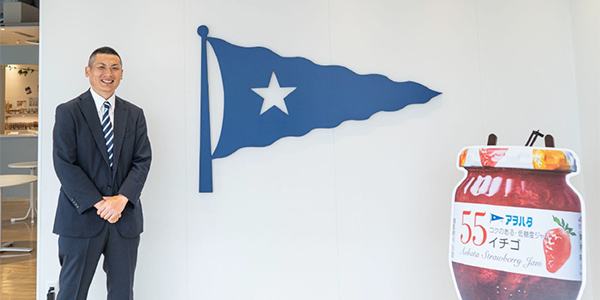
Through AI Visual Inspection System Implementation
AOHATA Corporation — Complete AI Visual Inspection System for Jelly
Selection Criteria
■Capable of high-precision inspection leading to workforce reduction
■Easy for anyone to use with excellent operability
Implementation Results
■Difficult inspections such as detecting fine bubbles and fruit fibers — a challenge for over 10 years — became achievable
■Labor for manual seal defect inspection reduced from 2 workers to 1 (50% reduction)
Challenges in Jelly Visual Inspection — From Manual to Automated, Reducing Labor
ーWhat challenges did you face before implementation?
There is a seal (welding) inspection process in the production of cup jelly.
Since fruit fibers caught in the seal surface pose a risk of liquid leakage, we previously relied on manual visual inspection to strictly verify that the seal was properly secured.
In addition, the location of the factory in Takehara and seasonal factors such as peak periods contributed to labor shortages, limiting the personnel available for inspection — making automation and workforce reduction a goal.
ーHow long had the quality control challenges been apparent?
We had actually been working on this for over 10 years, but couldn’t find a solution.
At that time, AI-based inspection was not yet common, so we attempted to classify products as good or defective using rule-based image inspection, but it proved difficult.
In particular, detecting fine bubbles and fruit fibers on the jelly surface was technically challenging — attempts to capture them resulted in increased false detections.
As we searched for solutions to inspections that rule-based methods couldn’t handle, our expectations for AI and deep learning technology grew.
The Deciding Factor: High Precision and Simple Operation — On-Site Testing Built Confidence —
— What was the deciding factor in your adoption?
The extremely high detection accuracy for seal defects. When we first spoke with VRAIN Solution, they immediately said “Our product can detect this easily” — but having struggled with this for so long, I honestly wondered, “Will this really solve it?”
After preliminary sample verification, they conducted a test in our actual on-site environment right in front of us. Seeing it detect defects without issue dispelled our concerns and built our confidence.
How did it compare with other vendors?
The ease of training — for example, simply drawing a box around the defect area to train the model — combined with the fact that anyone can operate it, were major selling points.
With other vendors, fees can be incurred each time a training model is created. Not having those ongoing costs was also very appealing.
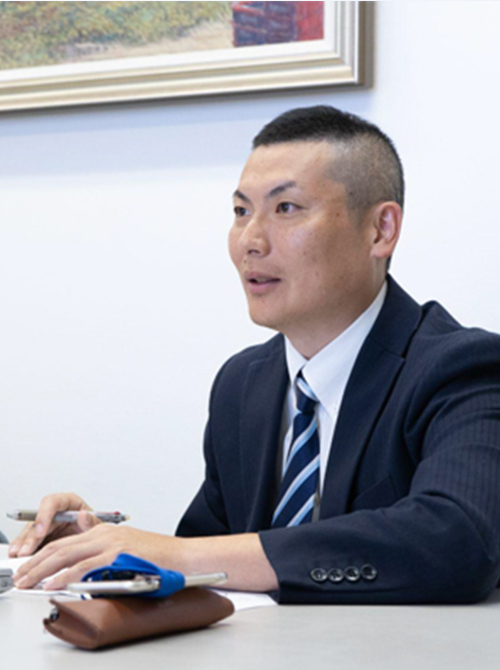
Compact Design That Fits Anywhere, and Seamless Implementation Through Complete Imaging-to-Ejection System
Also, Phoenix is very compact.
Our actual floor space is quite limited, so being able to install it in a small footprint was a great help.
— How does it compare to rule-based inspection machines?
With rule-based inspection, setting parameters like color selection and thresholds felt complicated. By comparison, Phoenix has excellent operability and straightforward setup.
— Were there any other reasons for choosing VRAIN Solution beyond the inspection system?
For this implementation, they handled the complete system including building the imaging environment with backlit conveyor, cameras, and more.
Building the imaging environment is critically important for inspection, and having them prepare the optimal setup was another deciding factor.
Because we could entrust the entire system, they built all the transport, inspection, and ejection equipment perfectly fitted to our limited space — and I’m glad we left everything, including imaging condition setup, entirely in their hands.
50% Labor Reduction Achieved — Easy Training Highly Praised on the Floor —

— What are your impressions after actually using it?
Anyone can operate and adjust it easily, and the detection accuracy for seal bite-ins is extremely high. This has directly led to labor reduction.
— By how much were labor hours reduced?
In the inspection and support process, what previously required 2 people now requires only 1, achieving a 50% reduction.
— What is the reaction and atmosphere on the floor?
Personally, I was genuinely relieved. There was a sense of reassurance that “the inspection is working properly.” The ease of training is also highly praised by the floor staff.
Future Outlook — Looking Toward Expansion to Raw Material Inspection —
— Are there ways you would like to expand the application in the future?
We want to further improve the accuracy of our existing seal inspection system and pursue even greater workforce reduction. We are also considering expanding to raw material inspection equipment in the future.
For the seal inspection system, water droplets on containers remain a challenge and will be key to future inspection accuracy. For raw material inspection, the wet environment where water splashes heavily made workforce reduction difficult in the past. We are looking forward to working with VRAIN Solution, who can handle device design tailored to the environment.
Message to Other Companies
— Finally, do you have a message for companies considering visual inspection?
Challenges we had given up on as technically too difficult were resolved by introducing VRAIN Solution’s AI inspection system, ultimately achieving workforce reduction.
If you have problems that have been difficult to solve, we encourage you to consider giving it a try.
Company URL:https://www.aohata.co.jp/
Related Pages